Its Matter of Style

Its Matter of Style is a blog of sharing expression, suggestion, experience and comment about health, fitness and beauty care.

Its Matter of Style

Its Matter of Style is a blog of sharing expression, suggestion, experience and comment about health, fitness and beauty care.

Its Matter of Style

Its Matter of Style is a blog of sharing expression, suggestion, experience and comment about health, fitness and beauty care.

Its Matter of Style

Its Matter of Style is a blog of sharing expression, suggestion, experience and comment about health, fitness and beauty care.

Its Matter of Style

Its Matter of Style is a blog of sharing expression, suggestion, experience and comment about health, fitness and beauty care.

Sunday, December 31, 2017

Odors can retain long-term memories !!!

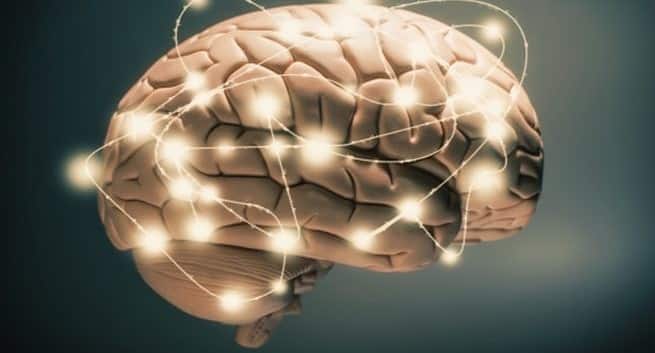
Neuroscientists have investigated which brain area is responsible for storing odors as long-term memories. Some odors can trigger memories of experiences from years back. A new study shows that the piriform cortex, a part of the olfactory brain, is involved in the process of saving those memories; the mechanism, however, only works in interaction with other brain areas.

Odors can retain long-term memories !!!

The neuroscientists Dr Christina Strauch and Prof Dr Denise Manahan-Vaughan from the Ruhr-Universität Bochum have investigated which brain area is responsible for storing odours as long-term memories. Some odours can trigger memories of experiences from years back. The current study shows that the piriform cortex, a part of the olfactory brain, is involved in the process of saving those memories; the mechanism, however, only works in interaction with other brain areas. The findings have been published in the journal Cerebral Cortex.

"It is known that the piriform cortex is able to temporarily store olfactory memories. We wanted to know, if that applies to long-term memories as well," says Christina Strauch.


Odors can retain long-term memories !!!


Artificial sensation through stimulation

Synaptic plasticity is responsible for the storing of memories in the memory structures of the brain: During that process the communication between neurons is altered by means of a process called synaptic plasticity, so that a memory is created. Strauch and Manahan-Vaughan examined if the piriform cortex of rats is capable of expressing synaptic plasticity and if this change lasts for more than four hours; indicating that long-term memory may have been established.


The scientists used electrical impulses in the brain to emulate processes that trigger the encoding of an olfactory sensation as a memory. They used different stimulation protocols which varied in the frequency and intensity of the pulses. It is known that these protocols can induce long-term effects in another brain area that is responsible for long term memories: the hippocampus. Strikingly, the same protocols did not induce long-term information storage in the form of synaptic plasticity in the piriform cortex.


Odors can retain long-term memories !!!

Signal from a higher brain area needed

The scientists wondered whether the piriform cortex needs to be instructed to create a long-term memory. They then stimulated a higher brain area called the orbitofrontal cortex, which is responsible for the discrimination of sensory experiences. This time the stimulation of the brain area generated the desired change in the piriform cortex. "Our study shows that the piriform cortex is indeed able to serve as an archive for long-term memories. But it needs instruction from the orbitofrontal cortex -- a higher brain area -- indicating that an event is to be stored as a long-term memory," says Strauch.


Read more about :

hair dye kills head lice...?

Exercising in the Heat May Be Less Effective Than We Think

Protein-rich diet may help from inflamed gut


Source : https://www.sciencedaily.com/releases/2017/12/171222092552.htm

Friday, September 8, 2017

More coffee consumption reduces risk of early death....!!

More coffee consumption reduces risk of early death....!!

Higher coffee consumption is associated with a lower risk of death, according to research presented today at ESC Congress. The observational study in nearly 20,000 participants suggests that coffee can be part of a healthy diet in healthy people.

"Coffee is one of the most widely consumed beverages around the world," said Dr Adela Navarro, a cardiologist at Hospital de Navarra, Pamplona, Spain. "Previous studies have suggested that drinking coffee might be inversely associated with all-cause mortality but this has not been investigated in a Mediterranean country."

More coffee consumption reduces risk of early death....!!

The purpose of this study was to examine the association between coffee consumption and the risk of mortality in a middle-aged Mediterranean cohort. The study was conducted within the framework of the Seguimiento Universidad de Navarra (SUN) Project, a long-term prospective cohort study in more than 22 500 Spanish university graduates which started in 1999.

This analysis included 19,896 participants of the SUN Project, whose average age at enrollment was 37.7 years old. On entering the study, participants completed a previously validated semi-quantitative food frequency questionnaire to collect information on coffee consumption, lifestyle and sociodemographic characteristics, anthropometric measurements, and previous health conditions.

Patients were followed-up for an average of ten years. Information on mortality was obtained from study participants and their families, postal authorities, and the National Death Index. Cox regression models were used to estimate hazard ratios (HR) and 95% confidence intervals (CI) for incident mortality according to baseline total coffee consumption adjusted for potential confounders.

More coffee consumption reduces risk of early death....!!

During the ten year period, 337 participants died. The researchers found that participants who consumed at least four cups of coffee per day had a 64% lower risk of all-cause mortality than those who never or almost never consumed coffee (adjusted HR, 0.36; 95% CI, 0.19-0.70). There was a 22% lower risk of all-cause mortality for each two additional cups of coffee per day (adjusted HR, 0.78; 95% CI, 0.66-0.92).

The researchers examined whether sex, age or adherence to the Mediterranean diet had any influence on the association between baseline coffee consumption and mortality. They observed a significant interaction between coffee consumption and age (p for interaction=0.0016). In those who were at least 45 years old, drinking two additional cups of coffee per day was associated with a 30% lower risk of mortality during follow-up (adjusted HR, 0.70; 95% CI, 0.58-0.85). The association was not significant among younger participants.

More coffee consumption reduces risk of early death....!!

Dr Navarro said: "In the SUN project we found an inverse association between drinking coffee and the risk of all-cause mortality, particularly in people aged 45 years and above. This may be due to a stronger protective association among older participants."

She concluded: "Our findings suggest that drinking four cups of coffee each day can be part of a healthy diet in healthy people."


Friday, August 18, 2017

Is there link between sugar and depression... !

Is there link between sugar and depression... !

Story at-a-glance :

  • Men consuming more than 67 grams of sugar per day were 23 percent more likely to develop anxiety or depression over the course of five years than those whose sugar consumption was less than 40 grams per day
  • Other studies have also linked high-sugar diets to a higher risk of depression and anxiety, showing a low-sugar diet is an important part of the prevention and treatment of common mental health problems
  • Sugar increases your risk of depression by contributing to insulin and leptin resistance, suppressing BDNF, affecting dopamine, damaging your mitochondria and promoting chronic inflammation
By Dr. Mercola

Foods have an immense impact on your brain, and eating whole foods as described in my nutrition plan is the best way to support both your physical and mental health. Based on the evidence, avoiding sugar (particularly fructose) is an important prevention and treatment strategy for anxiety and depression, both of which are rising in prevalence.

A number of studies have linked high-sugar diets to a higher risk of depression. Most recently, men consuming more than 67 grams of sugar per day were found to be 23 percent more likely to develop anxiety or depression over the course of five years compared to those whose sugar consumption was less than 40 grams per day.

This held true even after accounting for other contributing factors, such as socioeconomic status, exercise, alcohol use, smoking, other eating habits, body weight and general physical health. As noted by lead author Anika Knüppel,4 a Ph.D. student at the Institute of Epidemiology and Public Health at University College London.

"Sweet food has been found to induce positive feelings in the short-term. People experiencing low mood may eat sugary foods in the hope of alleviating negative feelings. Our study suggests a high intake of sugary foods is more likely to have the opposite effect on mental health in the long-term."

Is there link between sugar and depression... !

While the featured study could neither ascertain a mechanism for the link between sugar consumption and depression risk, nor could it establish causation, it adds support to other studies that have found the same link. For example, research6 published in 2002, which correlated per capita consumption of sugar with prevalence of major depression in six countries, found "a highly significant correlation between sugar consumption and the annual rate of depression."

A Spanish study7 published in 2011 linked depression specifically to consumption of baked goods. Those who ate the most baked goods had a 38 percent higher risk of depression than those who ate the least.

Similarly, a 2016 study, found a strong link between high-sugar diets (high-glycemic foods such as processed foods, sweetened beverages and refined grains) and depression in postmenopausal women. The higher the women's dietary glycemic index, the higher their risk of depression. A diet high in whole fruit, fiber, vegetables and lactose was associated with lowered odds of depression.

Is there link between sugar and depression... !

How Sugar Raises Your Depression Risk

A number of other studies have also identified mechanisms by which excessive sugar consumption can wreak havoc with your mental health. For example, eating excessive amounts of sugar:

  • Contributes to insulin and leptin resistance and impaired signaling, which play a significant role in mental health.
  • Suppresses activity of brain derived neurotrophic factor (BDNF), a key growth hormone that promotes healthy brain neurons. BDNF levels tend to be critically low in both depression and schizophrenia, and animal models suggest this may actually be a causative factor.
  • Affects dopamine, a neurotransmitter that fuels your brain's reward system9 (hence sugar's addictive potential10,11,12) and is known to play a role in mood disorders.
  • Damages your mitochondria, which can have body-wide effects. Your mitochondria generate the vast majority of the energy (adenosine triphosphate or ATP) in your body. When sugar is your primary fuel, excessive reactive oxygen species (ROS) and secondary free radicals are created, which damage cellular mitochondrial membranes and DNA.
          Needless to say, as your mitochondria are damaged, the energy currency in your body                 declines and your brain will struggle to work properly. Healthy dietary fats, on the other             hand, create far fewer ROS and free radicals. Fats are also critical for the health of cellular         membranes and many other biological functions, including and especially the functioning           of your brain.
            Among the most important fats for brain function and mental health are the long-chained           animal-based omega-3 fats DHA and EPA. Not only are they anti-inflammatory, but DHA is     actually a component in every cell of your body, and 90 percent of the omega-3 fat found in       brain tissue is DHA.
        • Promotes chronic inflammation which, in the long term, disrupts the normal functioning of your immune system, thereby raising your risk of depression. A 2004 cross-cultural analysis14 of the relationship between diet and mental illness found a strong link between high sugar consumption and the risk for depression and schizophrenia.

               It also concluded that dietary predictors of depression are similar to those for diabetes and         heart disease. One of the hallmarks of these diseases is chronic inflammation, which sugar          is a primary driver of. So, excessive amounts of sugar can truly set off an avalanche of                negative health events — both physical and mental.

        Inflammation May Be the No. 1 Risk Factor for Depression

        Another previous study published in the International Breastfeeding Journal15 found inflammation may be more than just another risk factor. It may actually be the primary risk factor that underlies all others. According to the researchers:

        "The old paradigm described inflammation as simply one of many risk factors for depression. The new paradigm is based on more recent research that has indicated that physical and psychological stressors increase inflammation. These recent studies constitute an important shift in the depression paradigm: inflammation is not simply a risk factor; it is the risk factor that underlies all the others.

        Moreover, inflammation explains why psychosocial, behavioral and physical risk factors increase the risk of depression. This is true for depression in general and for postpartum depression in particular."

        In another study,16 the researchers suggested "depression may be a neuropsychiatric manifestation of a chronic inflammatory syndrome." Here, they refer specifically to inflammation of the gastrointestinal tract. Studies have also found depression is closely linked to dysfunction in the gut-brain axis, in which gut inflammation plays an important role.

        Is there link between sugar and depression... !


        Artificial Sweeteners Are Also Strongly Associated With Depression

        Unfortunately, many are under the mistaken belief they can protect their health by swapping refined sugar for artificial sweeteners. Nothing could be further from the truth, as research suggests artificial sweeteners may actually be more detrimental to your health than regular sugar. For example:

        • In a 1986 evaluation of reactions to food additives,17 aspartame (in commonly consumed amounts) was linked to mood alterations such as anxiety, agitation, irritability and depression.
        • A 1993 study18 found that individuals with mood disorders are particularly sensitive to aspartame, suggesting its use in this population should be discouraged. In the clinical study, the project was halted by the Institutional Review Board after a total of 13 individuals had completed the study because of the severity of reactions within the group of patients with a history of depression.
        • In 2008, researchers asserted that excessive aspartame ingestion might be involved in the pathogenesis of certain mental disorders and may compromise emotional functioning.
        • Research presented at the annual meeting of the American Academy of Neurology in 2013 found that consumption of sweetened beverages — whether they're sweetened with sugar or artificial sweeteners — was associated with an increased risk of depression.20,21 The study included nearly 264,000 American adults over the age of 50 who were enrolled in an AARP diet and health study.
                 At the outset, participants filled out a detailed dietary survey. At a 10-year follow-up, they          were asked whether they'd been diagnosed with depression at any point during the past               decade.
        Those who drank more than four cans or glasses of diet soda or other artificially sweetened beverages had a nearly 30 percent higher risk of depression compared to those who did not consume diet drinks. Regular soda drinkers had a 22 percent increased risk.

        To Cure Depression, Be Sure to Address Root Causes

        According to the World Health Organization, depression is now the leading cause of ill health and disability worldwide,22,23 affecting an estimated 322 million people, including more than 16 million Americans. Globally, rates of depression increased by 18 percent between 2005 and 2015.24 According to the U.S. National Institute of Mental Health, 11 percent of Americans over the age of 12 are on antidepressant drugs. Among women in their 40 and 50s, 1 in 4 is on antidepressants.

        While a number of different factors can contribute to depression, I'm convinced diet plays an enormous role. There's no doubt in my mind that radically reducing or eliminating sugar and artificial sweeteners from your diet is a crucial step to prevent and/or address depression.

        One simple way to dramatically reduce your sugar intake is to replace processed foods with real whole foods. Eating plenty of fruits and vegetables is associated with lower odds of depression and anxiety,26,27 an effect ascribed to antioxidants that help combat inflammation in your body. Certain nutrients are also known to cause symptoms of depression when lacking, so it's important to eat a varied whole food diet.

        Another major contributor to depression and anxiety is microwave exposure from wireless technologies, which I address below. To suggest that depression is rooted in poor diet and other lifestyle factors does not detract from the fact that it's a serious problem that needs to be addressed with compassion and non-judgment. It simply shifts the conversation about what the most appropriate answers and remedies are.

        Considering the many hazards associated with antidepressants (the efficacy of which have been repeatedly found to be right on par with placebo), it would be wise to address the known root causes of depression, which are primarily lifestyle-based. Drugs, even when they do work, do not actually fix the problem. They only mask it.

        Antidepressants may also worsen the situation, as many are associated with an increased risk of suicide, violence and worsened mental health in the long term. So, before you resort to medication, please consider addressing the lifestyle strategies listed below.

        Non drug Solutions for Depression :

        Limit microwave exposure from wireless technologies

        Studies have linked excessive exposure to electromagnetic fields to an increased risk of both depression and suicide.28 Power lines and high-voltage cables appear to be particularly troublesome. Addiction to or "high engagement" with mobile devices can also trigger depression and anxiety, according to recent research from the University of Illinois.

        Research30 by Dr. Martin Pall reveals a previously unknown mechanism of biological harm from microwaves emitted by cellphones and other wireless technologies, which helps explain why these technologies can have such a potent impact on your mental health.

        Embedded in your cell membranes are voltage gated calcium channels (VGCCs), which are activated by microwaves. When that happens, about 1 million calcium ions per second are released, which stimulates the release of nitric oxide (NO) inside your cell and mitochondria. The NO then combines with superoxide to form peroxynitrite, which in turn creates hydroxyl free radicals, which are the most destructive free radicals known to man.

        Hydroxyl free radicals decimate mitochondrial and nuclear DNA, their membranes and proteins. The end result is mitochondrial dysfunction, which we now know is at the heart of most chronic disease. The tissues with the highest density of VGCCs are your brain, the pacemaker in your heart and male testes.

        Hence, health problems such as Alzheimer's, anxiety, depression, autism, cardiac arrhythmias and infertility can be directly linked to excessive microwave exposure.

        If you struggle with anxiety or depression, be sure to limit your exposure to wireless technology. Simple measures include turning your Wi-Fi off at night, not carrying your cellphone on your body and not keeping portable phones, cellphones and other electric devices in your bedroom.

        Get regular exercise

        Studies have shown there is a strong correlation between improved mood and aerobic capacity. Exercising creates new GABA-producing neurons that help induce a natural state of calm. It also boosts your levels of serotonin, dopamine and norepinephrine, which help buffer the effects of stress.

        Animal research also suggests exercise can benefit your mental health by allowing your body to eliminate kynurenine, a harmful protein associated with depression.

        Spend more time outdoors

        Spending time in nature has been shown to lower stress, improve mood and significantly reduce symptoms of depression.32 Outdoor activities could be just about anything, from walking a nature trail to gardening, or simply taking your exercise outdoors.

        Get plenty of restorative sleep

        Sleep and depression are so intimately linked that a sleep disorder is actually part of the definition of the symptom complex that gives the label depression. Ideally, get eight hours of sleep each night, and address factors that impede good sleep.

        Address negative emotions

        I believe it's helpful to view depression as a sign that your body and life are out of balance, rather than as a disease. It's a message telling you you've veered too far off course, and you need to regain your balance. One of the ways to do this involves addressing negative emotions that may be trapped beneath your level of awareness. My favorite method of emotional cleansing is Emotional Freedom Techniques (EFT), a form of psychological acupressure.

        Research shows EFT significantly increases positive emotions, such as hope and enjoyment, and decreases negative emotional states.33,34,35 It's particularly powerful for treating anxiety because it specifically targets your amygdala and hippocampus, which are the parts of your brain that help you decide whether or not something is a threat.

        For serious or complex issues, seek out a qualified health care professional that is trained in EFT37 to help guide you through the process. That said, for most of you with depression symptoms, this is a technique you can learn to do effectively on your own. In the video below, EFT practitioner Julie Schiffman shows how you can use EFT to relieve symptoms of depression.

        Optimize your gut health

        Your mental health is closely linked to your gut health. A number of studies have confirmed gastrointestinal inflammation can play a critical role in the development of depression.38 Optimizing your gut flora will also help regulate a number of neurotransmitters and mood-related hormones, including GABA and corticosterone, resulting in reduced anxiety and depression-related behavior.

        To nourish your gut microbiome, be sure to eat plenty of fresh vegetables and traditionally fermented foods. Healthy choices include fermented vegetables, lassi, kefir and natto. If you do not eat fermented foods on a regular basis, taking a high-quality probiotic supplement is recommended.

        Also remember to severely limit sugars, especially fructose, as well as grains, to rebalance your gut flora. As a standard recommendation, I suggest limiting your daily fructose consumption from all sources to 25 grams per day or less.

        Optimize your vitamin D with sensible sun exposure

        Studies have shown vitamin D deficiency can predispose you to depression, and that depression can respond favorably to optimizing your vitamin D stores, ideally by getting sensible sun exposure.

        In one such study, people with a vitamin D level below 20 nanograms per milliliter (ng/mL) had an 85 percent increased risk of depression compared to those with a level greater than 30 ng/mL.43 For optimal health, you'll want to make sure your vitamin D level is between 40 and 60 ng/mL year-round, so be sure to get a vitamin D test at least twice a year.

        Optimize your omega-3

        The animal-based omega-3 fat DHA is perhaps the single most important nutrient for optimal brain function and prevention of depression. While you can obtain DHA from krill or fish oil, it is far better to obtain it from clean, low-mercury fish such as wild Alaskan salmon, sardines, herring, anchovies and fish roe.

        In addition to getting your vitamin D checked, I recommend getting an omega-3 index test to make sure you're getting enough. Ideally, you want your omega-3 index to be 8 percent or higher.

        Make sure your cholesterol levels aren't too low for optimal mental health

        You may also want to check your cholesterol to make sure it's not too low. Low cholesterol is linked to dramatically increased rates of suicide, as well as aggression toward others.44 This increased expression of violence toward self and others may be due to the fact that low membrane cholesterol decreases the number of serotonin receptors in the brain, which are approximately 30 percent cholesterol by weight.

        Lower serum cholesterol concentrations therefore may contribute to decreasing brain serotonin, which not only contributes to suicidal-associated depression, but prevents the suppression of aggressive behavior and violence toward self and others.

        Increase your B vitamin intake

        Low dietary folate is a risk factor for severe depression, raising your risk by as much as 300 percent.45,46 If you're using a supplement, I suggest methylfolate, as this form of folic acid is the most effective. Other B vitamin deficiencies, including B1, B2, B3, B6, B8 and B12 also have the ability to produce symptoms of neuropsychiatric disorders. Vitamin B12 deficiency, in particular, can contribute to depression and affects 1 in 4 people.

        One of the most recent studies47,48 showing the importance of vitamin deficiencies in depression involved suicidal teens. Most turned out to be deficient in cerebral folate. One of the 33 subjects was also severely deficient in CSF tetrahydrobiopterin, a critical cofactor for monoamine neurotransmitter synthesis.

        According to the authors, "All patients with cerebral folate deficiency, including one with low CSF levels of 5-MTHF and tetrahydrobiopterin intermediates, showed improvement in depression symptom inventories after treatment with folinic acid; the patient with low tetrahydrobiopterin also received sapropterin … Treatment with sapropterin, a tetrahydrobiopterin analogue, led to dramatic and long-lasting remission of depression."

        Helpful supplements

        A number of herbs and supplements can be used in lieu of drugs to reduce symptoms of anxiety and depression. These include:

        • St. John's Wort (Hypericum perforatum). This medicinal plant has a long historical use for depression, and is thought to work similarly to antidepressants, raising brain chemicals associated with mood such as serotonin, dopamine and noradrenaline.
        • S-Adenosyl methionine (SAMe). SAMe is an amino acid derivative that occurs naturally in all cells. It plays a role in many biological reactions by transferring its methyl group to DNA, proteins, phospholipids and biogenic amines. Several scientific studies indicate that SAMe may be useful in the treatment of depression.
        • 5-Hydroxytryptophan (5-HTP). 5-HTP is another natural alternative to traditional antidepressants. When your body sets about manufacturing serotonin, it first makes 5-HTP. Taking 5-HTP as a supplement may raise serotonin levels. Evidence suggests 5-HTP outperforms a placebo when it comes to alleviating depression,50 which is more than can be said about antidepressants.
        • XingPiJieYu. This Chinese herb, available from doctors of traditional Chinese medicine (TCM), has been found to reduce the effects of "chronic and unpredictable stress," thereby lowering your risk of depression.






        Thursday, August 17, 2017

        Now device can heal organs with a single touch... !


        Now device can heal organs with a single touch... !

        Researchers at The Ohio State University Wexner Medical Center and Ohio State's College of Engineering have developed a new technology, Tissue Nanotransfection (TNT), that can generate any cell type of interest for treatment within the patient's own body. This technology may be used to repair injured tissue or restore function of aging tissue, including organs, blood vessels and nerve cells.

        Results of the regenerative medicine study published in the journal Nature Nanotechnology.

        "By using our novel nanochip technology, injured or compromised organs can be replaced. We have shown that skin is a fertile land where we can grow the elements of any organ that is declining," said Dr. Chandan Sen, director of Ohio State's Center for Regenerative Medicine & Cell Based Therapies, who co-led the study with L. James Lee, professor of chemical and biomolecular engineering with Ohio State's College of Engineering in collaboration with Ohio State's Nanoscale Science and Engineering Center.

        Researchers studied mice and pigs in these experiments. In the study, researchers were able to reprogram skin cells to become vascular cells in badly injured legs that lacked blood flow. Within one week, active blood vessels appeared in the injured leg, and by the second week, the leg was saved. In lab tests, this technology was also shown to reprogram skin cells in the live body into nerve cells that were injected into brain-injured mice to help them recover from stroke.

        Now device can heals organs with a single touch

        "This is difficult to imagine, but it is achievable, successfully working about 98 percent of the time. With this technology, we can convert skin cells into elements of any organ with just one touch. This process only takes less than a second and is non-invasive, and then you're off. The chip does not stay with you, and the reprogramming of the cell starts. Our technology keeps the cells in the body under immune surveillance, so immune suppression is not necessary," said Sen, who also is executive director of Ohio State's Comprehensive Wound Center.

        TNT technology has two major components: First is a nanotechnology-based chip designed to deliver cargo to adult cells in the live body. Second is the design of specific biological cargo for cell conversion. This cargo, when delivered using the chip, converts an adult cell from one type to another, said first author Daniel Gallego-Perez, an assistant professor of biomedical engineering and general surgery who also was a postdoctoral researcher in both Sen's and Lee's laboratories.

        Now device can heal organs with a single touch... !

        TNT doesn't require any laboratory-based procedures and may be implemented at the point of care. The procedure is also non-invasive. The cargo is delivered by zapping the device with a small electrical charge that's barely felt by the patient.

        "The concept is very simple," Lee said. "As a matter of fact, we were even surprised how it worked so well. In my lab, we have ongoing research trying to understand the mechanism and do even better. So, this is the beginning, more to come."

        Researchers plan to start clinical trials next year to test this technology in humans, Sen said.

        Funding for this research was provided by Leslie and Abigail Wexner, Ohio State's Center for Regenerative Medicine and Cell-Based Therapies and Ohio State's Nanoscale Science and Engineering Center.


        Sunday, August 13, 2017

        Women's brain is more active than men... !

        Women's brain is more active than men... !

        In the largest functional brain imaging study to date, the Amen Clinics (Newport Beach, CA) compared 46,034 brain SPECT (single photon emission computed tomography) imaging studies provided by nine clinics, quantifying differences between the brains of men and women. The study is published in the Journal of Alzheimer's Disease.

        Lead author, psychiatrist Daniel G. Amen, MD, founder of Amen Clinics, Inc., commented, "This is a very important study to help understand gender-based brain differences. The quantifiable differences we identified between men and women are important for understanding gender-based risk for brain disorders such as Alzheimer's disease. Using functional neuroimaging tools, such as SPECT, are essential to developing precision medicine brain treatments in the future."

        The brains of women in the study were significantly more active in many more areas of the brain than men, especially in the prefrontal cortex, involved with focus and impulse control, and the limbic or emotional areas of the brain, involved with mood and anxiety. The visual and coordination centers of the brain were more active in men. SPECT can measure blood perfusion in the brain. Images acquired from subjects at rest or while performing various cognitive tasks will show different blood flow in specific brain regions.


        Subjects included 119 healthy volunteers and 26,683 patients with a variety of psychiatric conditions such as brain trauma, bipolar disorders, mood disorders, schizophrenia/psychotic disorders, and attention deficit hyperactivity disorder (ADHD). A total of 128 brain regions were analyzed for subjects at baseline and while performing a concentration task.

        Women's brain is more active than men... !

         Understanding these differences is important because brain disorders affect men and women differently. Women have significantly higher rates of Alzheimer's disease, depression, which is itself is a risk factor for Alzheimer's disease, and anxiety disorders, while men have higher rates of (ADHD), conduct-related problems, and incarceration (by 1,400%).

        Editor-in-Chief of the Journal of Alzheimer's Disease and Dean of the College of Sciences at The University of Texas at San Antonio, Dr. George Perry said, "Precisely defining the physiological and structural basis of gender differences in brain function will illuminate Alzheimer's disease and understanding our partners."

        The study findings of increased prefrontal cortex blood flow in women compared to men may explain why women tend to exhibit greater strengths in the areas of empathy, intuition, collaboration, self-control, and appropriate concern. The study also found increased blood flow in limbic areas of the brains of women, which may also partially explain why women are more vulnerable to anxiety, depression, insomnia, and eating disorders.


        Friday, August 11, 2017

        hair dye kills head lice...?

        hair dye kills head lice...?

        Lice are small, parasitic insects that are shockingly easy to spread. If you have lice, it can cause skin irritation and intense itching. Once lice spreads from one person to another, they start to multiple and increase. They can pass through sharing hairbrushes, sharing hats or even being close to someone who has head lice. If your child gets lice, it is important to treat them right away or it could spread to you or other people.

        When it comes to treating lice, some people have wondered if there are more options than the smelly lice shampoo. Out of all the alternative options, many people have wondered if hair dye can kill the lice. Learn more by reading on.

        Does Hair Dye Kill Head Lice?

        The short answer to this question is yes. In some cases, hair dye and bleach can kill juvenile lice (nymphs) and adult lice. Hair dyes are notorious for being full of chemicals. These same chemicals are toxic for the lice that try to live in your hair.

        Unfortunately, hair dye will not kills lice eggs (nits). Nits have strong shells that the chemicals cannot penetrate. If you try to treat your head lice with hair dye, the lice will temporarily go away. In another 7 to 10 days, your lice will return as all of these eggs start to hatch. Hair dye might be a temporary solution, but it will only work for about a week before the lice are back and worse than ever.

        hair dye kills head lice...?


        Making Sure That You Get Rid of All the Lice

        While hair dye can kill the lice that have already hatched, it will not kill the eggs. To make sure that you do not get lice again, you have to take other steps to get rid of the nits. Use the following steps to remove your lice problem for good.

        1. Destroy the Hideouts

        The first step is to kill the lice where they like to hang out. Female, adult head lice like to lay their nits around your scalp, behind your ears and at the base of your hair. They may also go a bit further down the neckline behind your head. Find these hideouts and get prepared to destroy the lice.

        2. Invest in Nit Glue

        Nits use a glue-like substance to attach to your scalp so that they are not shaken off. To get rid of the nits, you have to break down this glue-like substance and brush them out. You can use commercial products, or you can make a 1:1 mixture of water and vinegar. Leave it on your hair for an hour, and you should make sure that you have completely doused your scalp in the solution. You can also soak your hair in the mixture completely for a more thorough treatment.

        After the solution has had time to sit, use a comb to remove the glue that the nits were using to attach to your scalp. There are specific combs that can be used for this. For added killing effects, add some Listerine to your comb tips as you run it through your hair. There are also electric combs that can be used on dry hair to get rid of lice.

        3. Buy Your Favorite Hair Dye

        Now, it is time to do the fun part. Go to the store and find your favorite hair dye. While some hair dyes may not be quite strong enough to kill the lice, you won’t know until you have tried it. Follow the directions on the package and cover your hair completely with the hair dye. Rinse and shampoo according to the directions on the package.

        Did the Hair Dye Kill Head Lice?

        Once you have finished dyeing your hair, the next step is to see if it worked. While hair dye is theoretically strong enough to kill head lice, it may not always be enough. You will also want to use a lice comb after shampooing to make sure that you have removed everything.

        Keep in mind that you are not done yet. Even if you have effectively removed all of the hair lice, your combs, clothes, bedding and personal items are all infected. Now, you need to put all of these items in a washing machine. Use hot water in the washer and heat in the dryer to kill the lice. The temperature has to reach 130 degrees for the lice to be effectively killed. You may also want to go through the same process in another seven days just in case you missed any of the nits.

        Additional Options

        1. Combing

        If your child is younger than two years old, you do not want to use over-the-counter products. Most likely, you will need to use a fine-toothed comb on wet hair to comb out the lice every three to four days for several weeks. You should also talk to your child’s doctor about more options for treating their hair lice.

        2. Clean Up

        Every clothing item needs to be treated or the lice will return. You need to take stuffed animals, bedding, hats and towels and put them into hot water. Hot water that is over 130 degrees and soap will help to kill the lice. You will also want to dry the items on high heat for at least 20 minutes.


        Thursday, August 10, 2017

        Blue-eyed at people have a solitary, basic precursor

        Blue-eyed at people have a solitary, basic precursor


        New research shows that people with blue eyes have a single, common ancestor. A team at the University of Copenhagen have tracked down a genetic mutation which took place 6-10,000 years ago and is the cause of the eye colour of all blue-eyed humans alive on the planet today.

        What is the genetic mutation

        "Originally, we all had brown eyes," said Professor Hans Eiberg from the Department of Cellular and Molecular Medicine. "But a genetic mutation affecting the OCA2 gene in our chromosomes resulted in the creation of a "switch," which literally "turned off" the ability to produce brown eyes." The OCA2 gene codes for the so-called P protein, which is involved in the production of melanin, the pigment that gives colour to our hair, eyes and skin. The "switch," which is located in the gene adjacent to OCA2 does not, however, turn off the gene entirely, but rather limits its action to reducing the production of melanin in the iris -- effectively "diluting" brown eyes to blue. The switch's effect on OCA2 is very specific therefore. If the OCA2 gene had been completely destroyed or turned off, human beings would be without melanin in their hair, eyes or skin colour -- a condition known as albinism.

        Limited genetic variation

        Variation in the colour of the eyes from brown to green can all be explained by the amount of melanin in the iris, but blue-eyed individuals only have a small degree of variation in the amount of melanin in their eyes. "From this we can conclude that all blue-eyed individuals are linked to the same ancestor," says Professor Eiberg. "They have all inherited the same switch at exactly the same spot in their DNA." Brown-eyed individuals, by contrast, have considerable individual variation in the area of their DNA that controls melanin production.

        Professor Eiberg and his team examined mitochondrial DNA and compared the eye colour of blue-eyed individuals in countries as diverse as Jordan, Denmark and Turkey. His findings are the latest in a decade of genetic research, which began in 1996, when Professor Eiberg first implicated the OCA2 gene as being responsible for eye colour.

        Nature shuffles our genes

        The mutation of brown eyes to blue represents neither a positive nor a negative mutation. It is one of several mutations such as hair colour, baldness, freckles and beauty spots, which neither increases nor reduces a human's chance of survival. As Professor Eiberg says, "it simply shows that nature is constantly shuffling the human genome, creating a genetic cocktail of human chromosomes and trying out different changes as it does so."


        Wednesday, August 9, 2017

        Exercising in the Heat May Be Less Effective Than We Think

        Exercising in the Heat May Be Less Effective Than We Think

        As anyone who has ever gone for a run on a sweltering July day knows, working out in the heat and humidity can put a dent in your mood and energy level, not to mention turn you into a drippy, sweaty mess.

        Now, research from the University of Nebraska at Omaha suggests another consequence of exercising outside when temperatures are high: it can affect your muscles on a cellular level and do a number on your performance. 

        These preliminary findings are part of some pretty fascinating research happening at UNO’s School of Health and Kinesiology. There, researchers are studying how training in different climates can affect your muscles. More specifically, they're looking at how mitochondria—the power generators in your cells—are influenced by various temperatures, Dustin Slivka, PhD, head researcher and director of the Exercise Physiology Laboratory at UNO, tells Health.

        Exercising in the Heat May Be Less Effective Than We Think

        Why is this important? Mitochondrial dysfunction plays a major role in obesity, diabetes, aging, and other conditions. Slivka and his team want to find out what the optimal temperature is for working out, which might prevent this dysfunction and potentially lower rates of disease.

        “If we can further optimize the outcomes of physical exercise then we can better combat these disabilities,” Slivka says.  

        In one ongoing experiment with 36 participants, the researchers have been extracting muscle tissue samples from each participant's thigh before, immediately after, and three to four hours after they've completed an hour of cycling in a climate-controlled chamber. Temperatures in the chamber range from a scorching 91 degrees to a comfy 68 degrees to a cool 44 degrees, says Slivka. 

        As the samples are collected, Slivka and his team are looking at how the tissue responds to stimulation and the way different proteins move within the muscle's cells. Though the research won't be done for another 18 months, the findings have been consistent so far: study participants are performing better in cold conditions than hot.

        Exercising in the Heat May Be Less Effective Than We Think

        “Participants feel very comfortable exercising in the cold environment,” observes Slivka. “Most are a bit chilly for the first five minutes, but the heat produced from exercise quickly warms them.” 

        Not only that, but the heat didn't seem to have any positive effect on study participants' results. "When we have people exercise in a hot environment it really challenged their physiology," said Slivka in an interview with wowtv.com. "That response appears to be very negative. Almost as if they didn't work out at all." 

        That may be influenced by the way humid conditions can cause the body to overheat, since sweat doesn’t evaporate as readily when the air is already moist. As a result, we don't cool down sufficiently—and may be less motivated to work hard. 

        Slivka says his team found that a single bout of exercise in the heat isn’t as effective for mitochondrial development as a single bout of exercise completed at room temperature. But whether that stays true in the long term remains to be seen.

        Exercising in the Heat May Be Less Effective Than We Think

        “The current study will let us know if this persists throughout training or if the muscle can acclimate (as the cardiovascular and thermoregulatory systems do) and restore the normal beneficial response to exercise,” he says.

        In the meantime, don't use the new findings to justify blowing off your outdoor run or bike ride. Even if your workouts aren't as effective in terms of muscle development, exercise is awesome for a ton of other reasons—it relieves stress, gives you an energy boost, and burns calories. Take it indoors where the AC is cranking, and you'll score all these benefits and more.


        Diet and intestinal bacteria linked to healthier immune systems

        Diet and intestinal bacteria linked to healthier immune systems

        Insoluble dietary fibre, or roughage, not only keeps you regular, say Australian scientists, it also plays a vital role in the immune system, keeping certain diseases at bay.

        The indigestible part of all plant-based foods pushes its way through most of the digestive tract unchanged, acting as a kind of internal broom. When it arrives in the colon, bacteria convert it to energy and compounds known as ‘short chain fatty acids’. These are already known to alleviate the symptoms of colitis, an inflammatory gut condition.

        Similarly, probiotics and prebiotics, food supplements that affect the balance of gut bacteria, reduce the symptoms of asthma and rheumatoid arthritis, also inflammatory diseases. Until now no-one has understood why.

        Published in Nature, breakthrough research by a Sydney-based team makes new sense of such known facts by describing a mechanism that links diet, gut bacteria and the immune system.

        PhD student Kendle Maslowski and Professor Charles Mackay from the Garvan Institute of Medical Research, in collaboration with the Co-operative Research Centre for Asthma and Airways, have demonstrated that GPR43, a molecule expressed by immune cells and previously shown to bind short chain fatty acids, functions as an anti-inflammatory receptor.

        Diet and intestinal bacteria linked to healthier immune systems

        "The notion that diet might have profound effects on immune responses or inflammatory diseases has never been taken that seriously," said Professor Mackay. "We believe that changes in diet, associated with western lifestyles, contribute to the increasing incidences of asthma, type 1 diabetes and other autoimmune diseases. Now we have a new molecular mechanism that might explain how diet is affecting our immune systems."

        "We’re also now beginning to understand that from the moment you’re born, it’s incredibly important to be colonised by the right kinds of gut bacteria," added Kendle. "The kinds of foods you eat directly determine the levels of certain bacteria in your gut."

        "Changing diets are changing the kinds of gut bacteria we have, as well as their by-products, particularly short chain fatty acids. If we have low amounts of dietary fibre, then we’re going to have low levels of short chain fatty acids, which we have demonstrated are very important in the immune systems of mice."

        Mice that lack the GPR43 gene have increased inflammation, and poor ability to resolve inflammation, because their immune cells can’t bind to short chain fatty acids.

        There is plenty of evidence to suggest that bacteria and their by-products play an important role in people. An American study published in Nature in 2006 compared the bacteria in the guts of obese and lean people. The obese people were put on a diet, and as they lost weight their bacteria profile gradually came to match that of the lean people.

        Another study looked at what diets might do to short chain fatty acid levels. Obese people were put on three different diets over time – high, medium and low fibre – and there was a direct correlation between the level of carbohydrate, or fibre, in the diet and the level of short chain fatty acids.

        Diet and intestinal bacteria linked to healthier immune systems

        The conclusions drawn from the current research provide some of the most compelling reasons yet for eating considerably more unprocessed whole foods – fruits, vegetables, grains, nuts and seeds.

        Dietary fibre, of course, has many known health benefits in addition to those discussed above, including reduced risk of cardiovascular disease and certain cancers, and various health organisations around the world recommend daily minimum levels. It is certain that the majority of people in countries like Australia, the United States and Britain eat much less fibre than they need to stay healthy.

        "The role of nutrition and gut intestinal bacteria in immune responses is an exciting new topic in immunology, and recent findings including our own open up new possibilities to explore causes as well as new treatments for inflammatory diseases such as asthma," said Professor Mackay.


        Source : https://www.myvmc.com/news/diet-and-intestinal-bacteria-linked-to-healthier-immune-systems/?utm_source=TrendMD&utm_medium=cpc&utm_campaign=MyVMC_TrendMD_1

        Protein-rich diet may help from inflamed gut

        Protein-rich diet may help from inflamed gut

        Immune cells patrol the gut to ensure that harmful microbes hidden in the food we eat don't sneak into the body. Cells that are capable of triggering inflammation are balanced by cells that promote tolerance, protecting the body without damaging sensitive tissues. When the balance tilts too far toward inflammation, inflammatory bowel disease can result.

        Now, researchers at Washington University School of Medicine in St. Louis have found that a kind of tolerance-promoting immune cell appears in mice that carry a specific bacterium in their guts. Further, the bacterium needs tryptophan -- one of the building blocks of proteins -- to trigger the cells' appearance.

        "We established a link between one bacterial species -- Lactobacillus reuteri -- that is a normal part of the gut microbiome, and the development of a population of cells that promote tolerance," said Marco Colonna, MD, the Robert Rock Belliveau MD Professor of Pathology and the study's senior author. "The more tryptophan the mice had in their diet, the more of these immune cells they had."

        If such findings hold true for people, it would suggest that the combination of L. reuteri and a tryptophan-rich diet may foster a more tolerant, less inflammatory gut environment, which could mean relief for the million or more Americans living with the abdominal pain and diarrhea of inflammatory bowel disease.

        Protein-rich diet may help from inflamed gut

        The study is published Aug. 3 in the journal Science.

        Postdoctoral researcher Luisa Cervantes-Barragan, PhD, was studying a kind of immune cell that promotes tolerance when she discovered that one group of study mice had such cells, while a second group of study mice that were the same strain of mice but were housed far apart from the first group did not have such cells.

        The mice were genetically identical but had been born and raised separately, indicating that an environmental factor influenced whether the immune cells developed.

        She suspected the difference had to do with the mice's gut microbiomes -- the community of bacteria, viruses and fungi that normally live within the gastrointestinal tract.

        Cervantes-Barragan collaborated with Chyi-Song Hsieh, MD, PhD, the Alan A. and Edith L. Wolff Distinguished Professor of Medicine, to sequence DNA from the intestines of the two groups of mice. They found six bacterial species present in the mice with the immune cells but absent from the mice without them.

        With the help of Jeffrey I. Gordon, MD, the Dr. Robert J. Glaser Distinguished University Professor, the researchers turned to mice that had lived under sterile conditions since birth to identify which of the six species was involved in inducing the immune cells. Such mice lack a gut microbiome and do not develop this kind of immune cell. When L. reuteri was introduced to the germ-free mice, the immune cells arose.

        Protein-rich diet may help from inflamed gut

        To understand how the bacteria affected the immune system, the researchers grew L. reuteri in liquid and then transferred small amounts of the liquid -- without bacteria -- to immature immune cells isolated from mice. The immune cells developed into the tolerance-promoting cells. When the active component was purified from the liquid, it turned out to be a byproduct of tryptophan metabolism known as indole-3-lactic acid.

        Tryptophan -- commonly associated with turkey -- is a normal part of the mouse and the human diet. Protein-rich foods contain appreciable amounts: nuts, eggs, seeds, beans, poultry, yogurt, cheese, even chocolate.

        When the researchers doubled the amount of tryptophan in the mice's feed, the number of such cells rose by about 50 percent. When tryptophan levels were halved, the number of cells dropped by half.

        People have the same tolerance-promoting cells as mice, and most of us shelter L. reuteri in our gastrointestinal tracts. It is not known whether tryptophan byproducts from L. reuteri induce the cells to develop in people as they do in mice, but defects in genes related to tryptophan have been found in people with inflammatory bowel disease.

        "The development of these cells is probably something we want to encourage since these cells control inflammation on the inner surface of the intestines," Cervantes-Barragan said. "Potentially, high levels of tryptophan in the presence of L. reuteri may induce expansion of this population."